
She Had Run Webinars Before. This One Made The First Sale.
Sara Nied Coaching
First webinar sale the business had made, at $1,497
- Client
- Sara Nied Coaching
- Vertical
- Relationship coaching
- Before
- One basic Ontraport landing page and a broken webinar system
- Built
- 4 funnels, 1 website, a sequence per funnel, full automation and tracking
- Stack
- GoHighLevel, Zoom, Zapier, Meta Pixel and Conversions API
- Migration
- All pages moved off Ontraport to GoHighLevel and redesigned
- Result
- First webinar sale the business had made, at $1,497
- My role
- Direct client. Strategy, design, copy, build, migration, automation and tracking
Webinars had been tried. They had never sold.
Almost nothing existed, and what did was not working.
There was a single landing page on Ontraport. Basic, with none of the elements a page needs to convert. There was a webinar system that was broken. That was the extent of it.
Sara had run webinars before this engagement. They had not produced sales. So the problem was not that webinars were untried, it was that the machinery around them had never been built.
A webinar that does not sell is rarely a webinar problem. The presentation is the visible part, so it gets the blame. What actually decides the outcome is everything around it: whether registration converts, whether reminders arrive and get opened, whether attendees are tracked, whether people who leave early are handled differently from people who stay to the end, and whether the follow up knows any of that.
When those pieces are missing, a good session in front of the wrong people, or the right people who never showed up, produces nothing. The coach concludes webinars do not work for their audience. The evidence for that conclusion is real, and the conclusion is wrong.
The second problem was structural. One landing page means one path. Anybody not ready for that specific offer at that specific moment had nowhere else to go, so every lead the business attracted was either a buyer for one thing or a lost lead.
What I built
- Migration off Ontraport onto GoHighLevel
Every page moved and redesigned rather than ported as it was. The migration was the opportunity to fix what was there, not just to relocate it.
- Strategy first, then the build
Offers, journey and the sequence of what to build agreed before anything was made. Four funnels and a website assembled without that agreement would have produced five disconnected things.
- Four funnels
Lead magnet funnels at the front, direct course sales funnels, and the webinar funnel. Each one a complete path rather than a page, and each with its own sequence behind it.
- A sequence per funnel, built to cross-sell
The part that changes the economics. Each funnel has a sequence, and when a lead does not respond to what that sequence is offering, the system moves them toward a different product rather than letting them go quiet.
One landing page gives a lead one chance to be interested. Four funnels with sequences that hand off between them give the same lead several, without anybody being sold the same thing repeatedly.
- The website
Built as the foundation the funnels sit on, not as a separate brochure that happens to link to them.
- Full automation and integration
GoHighLevel holding the CRM, funnels and follow up in one place, connected to Zoom for the webinars through Zapier. Registration, attendance and purchase all visible to every part of the system at once.
- Pixel and Conversions API tracking
Browser and server side conversion tracking configured together, so conversions blocked by browser privacy settings still reached reporting and the ad platforms saw what actually happened.
The pages and the systems behind them
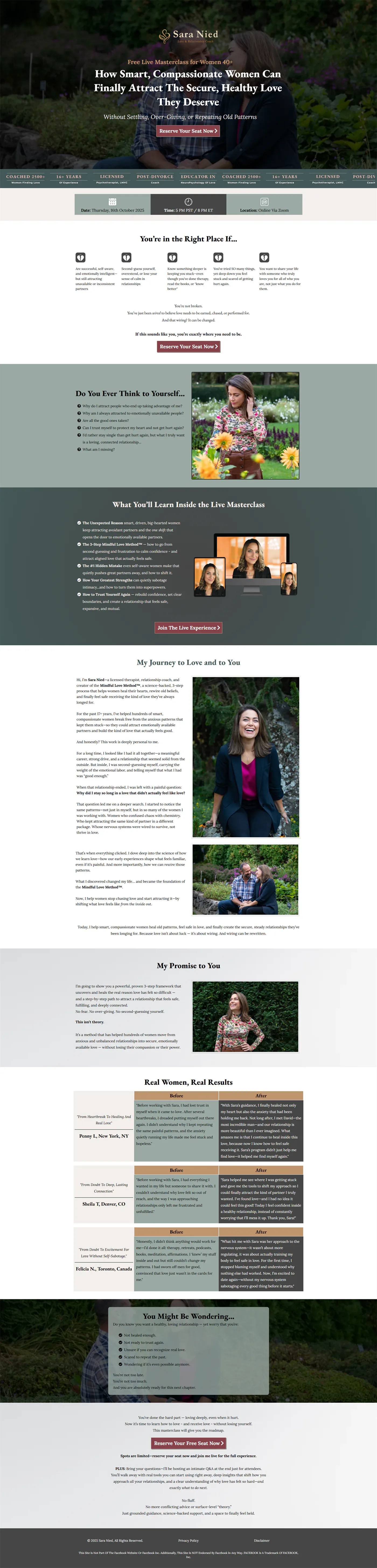
Webinar registration

Webinar thank you

Sales page
.webp)
VIP upgrade (upsell)
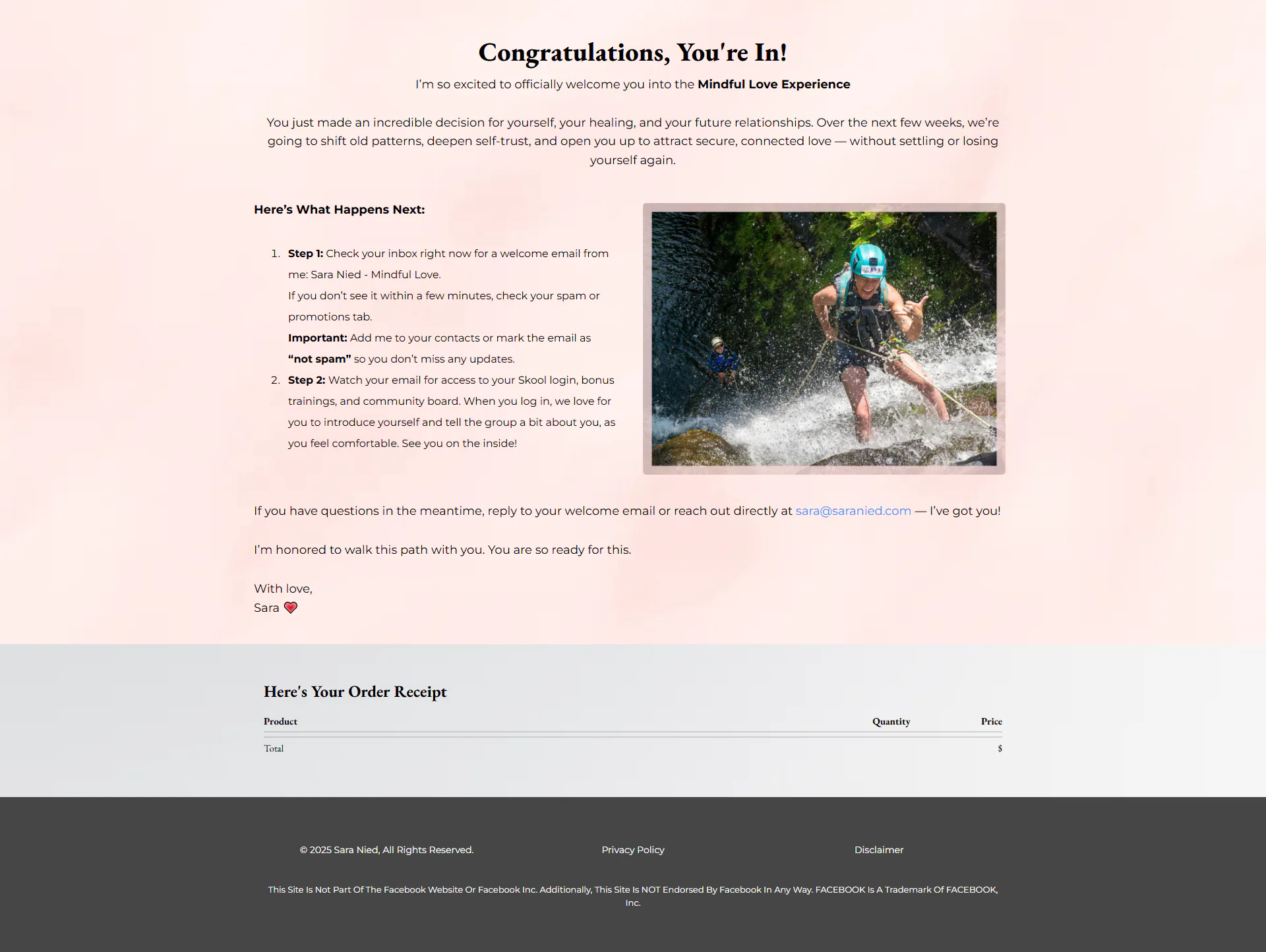
Thank you
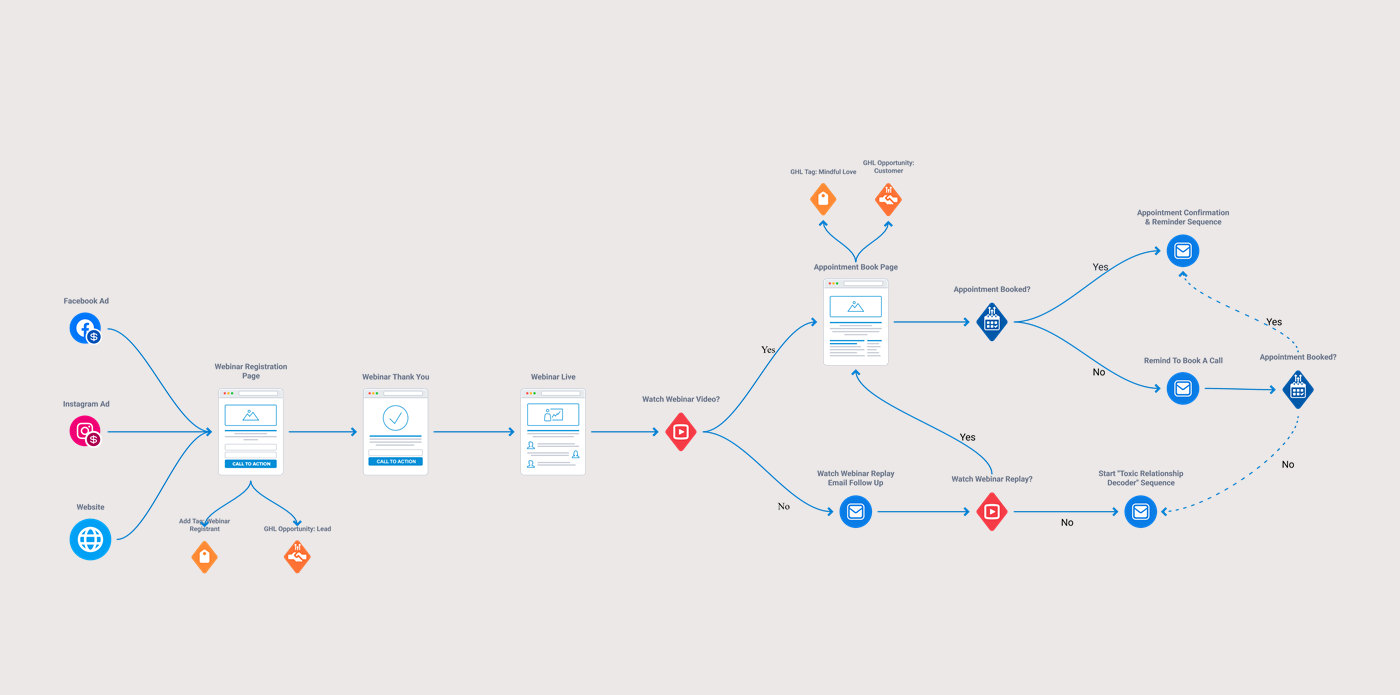
Webinar funnel
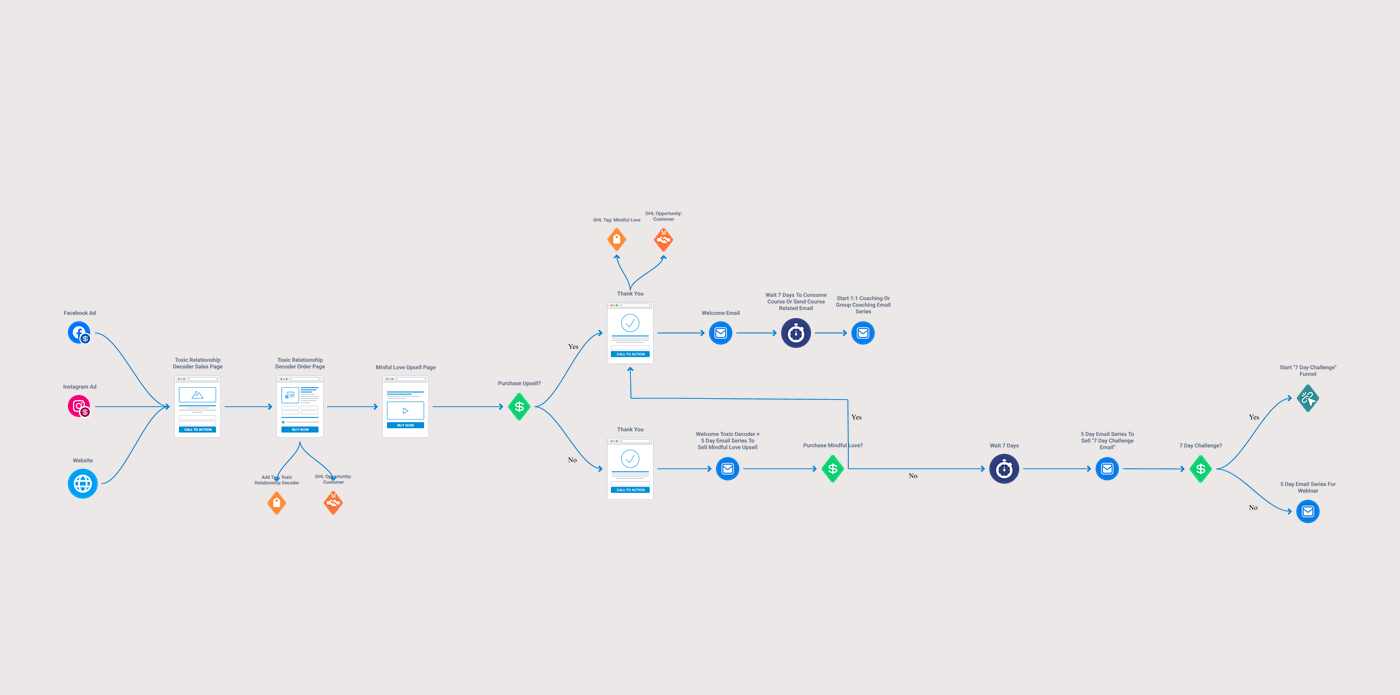
Toxic Relationship Decoder funnel
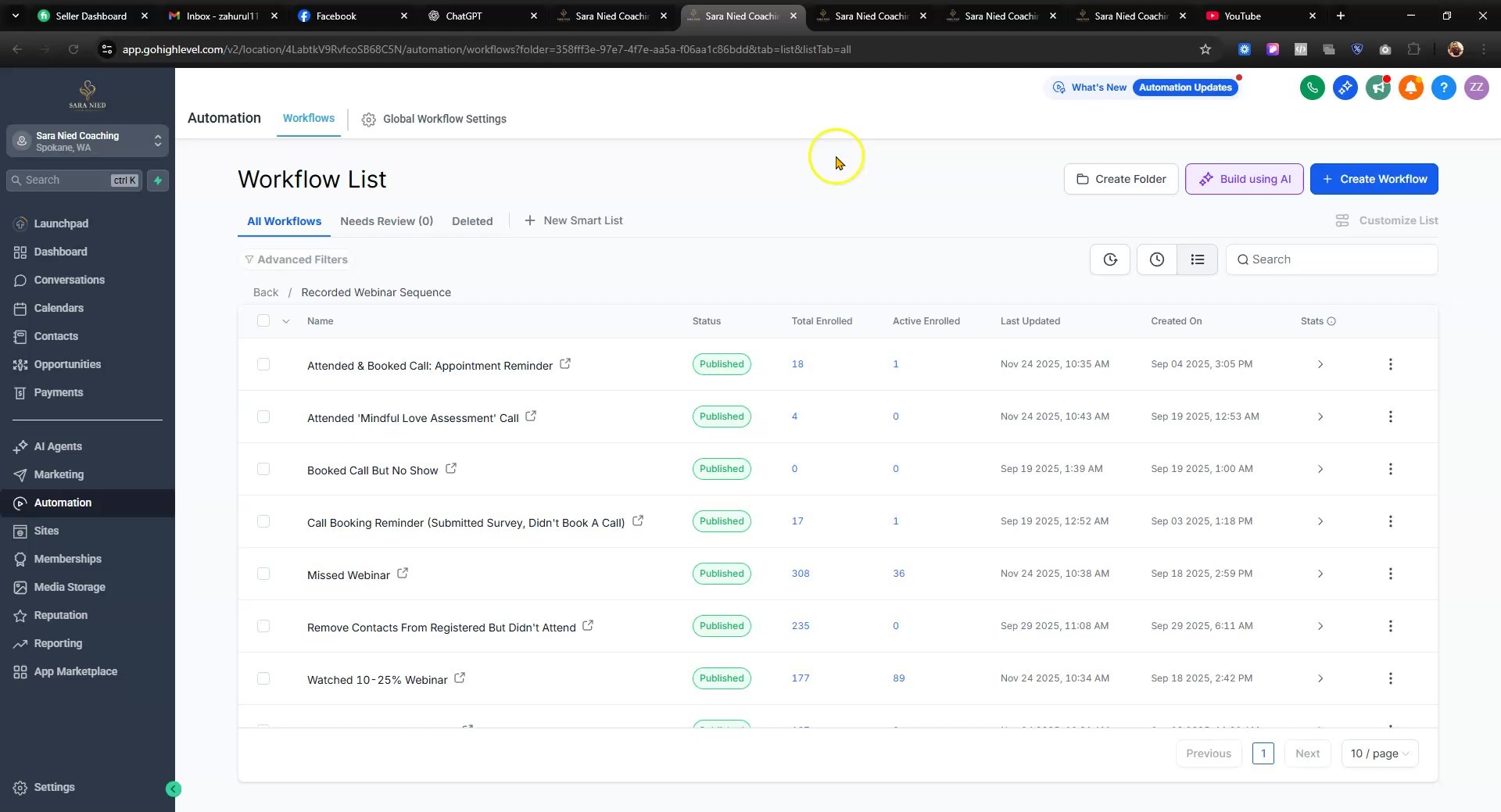
GoHighLevel automation
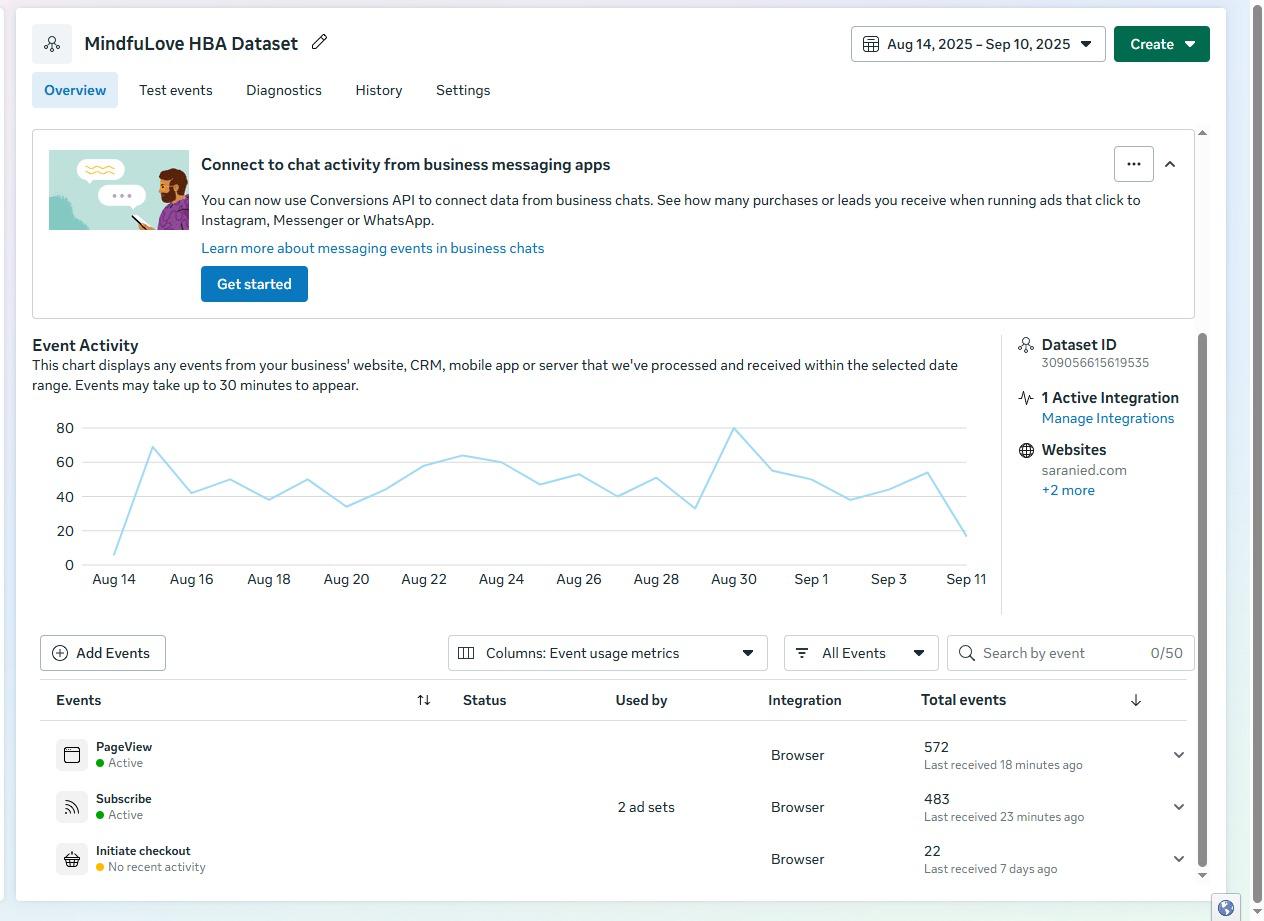
Facebook Conversion API
What it produced
The first webinar Sara ran on this system produced the first webinar sale the business had made. It was $1,497.
The figure matters less than the fact underneath it. She had run webinars before and sold nothing. The audience had not changed. What changed was the registration path, the reminders, the attendance handling, the follow up and the tracking, none of which she had before.
Four funnels replaced one landing page, each with its own sequence, and the sequences pass leads between products rather than dropping people who did not want the first thing they were shown.
The engagement ended when the build was finished. There was no ongoing retainer, so what exists is a system handed over rather than a system I kept running.
What applies to a business like yours
Three questions worth asking about your own setup:
- If somebody registers for your webinar and does not attend, does anything happen automatically?
- When a lead ignores your main offer, is there a second path, or do they simply go quiet?
- Do you know your webinar show up rate, or only how many people registered?
The second question is the one that decides how much each lead is worth.
Services behind this project
- Marketing strategy
- Website & sales funnel design
- Marketing automation
- Conversion tracking and attribution
- Creative production
- Sales page and email copy
The thinking behind this project: Webinars do not work for my audience is usually a build problem
The Machinery, Not The Presentation
She had done the hard part already. She could teach, she had an audience, and she had been willing to run webinars that did not work. What was missing was everything around the webinar.